
Common Myths and Misconceptions About Spinal Decompression Therapy

Back pain, herniated discs, and other spinal conditions can affect everyday activities and overall quality of life. For individuals exploring non-surgical treatment options, spinal decompression therapy may be worth considering. However, misconceptions about this treatment can make it difficult to understand what it involves and whether it may be appropriate for certain conditions.
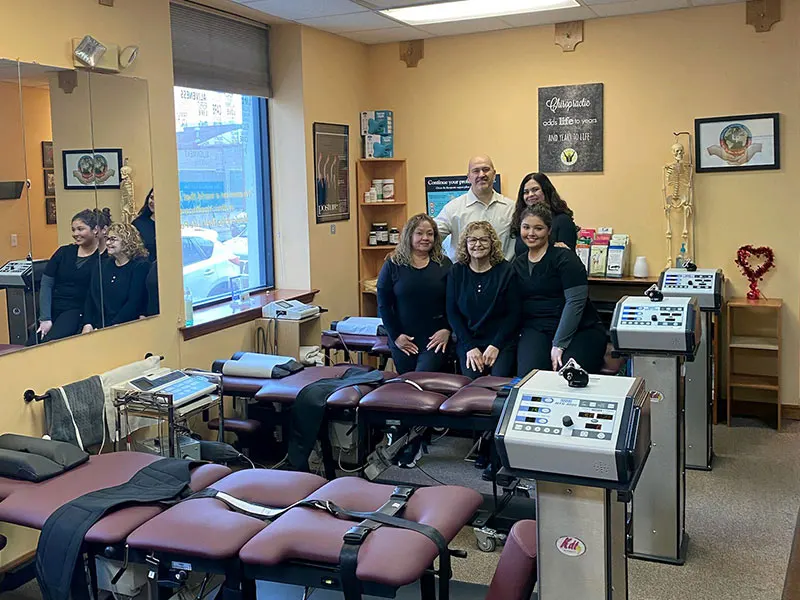
At Vida Chiropractic, patient education is an important part of making informed decisions about spinal health. Here are some common myths about spinal decompression therapy and the facts behind them.
Myth 1: Spinal Decompression Is the Same as Traditional Chiropractic Adjustments
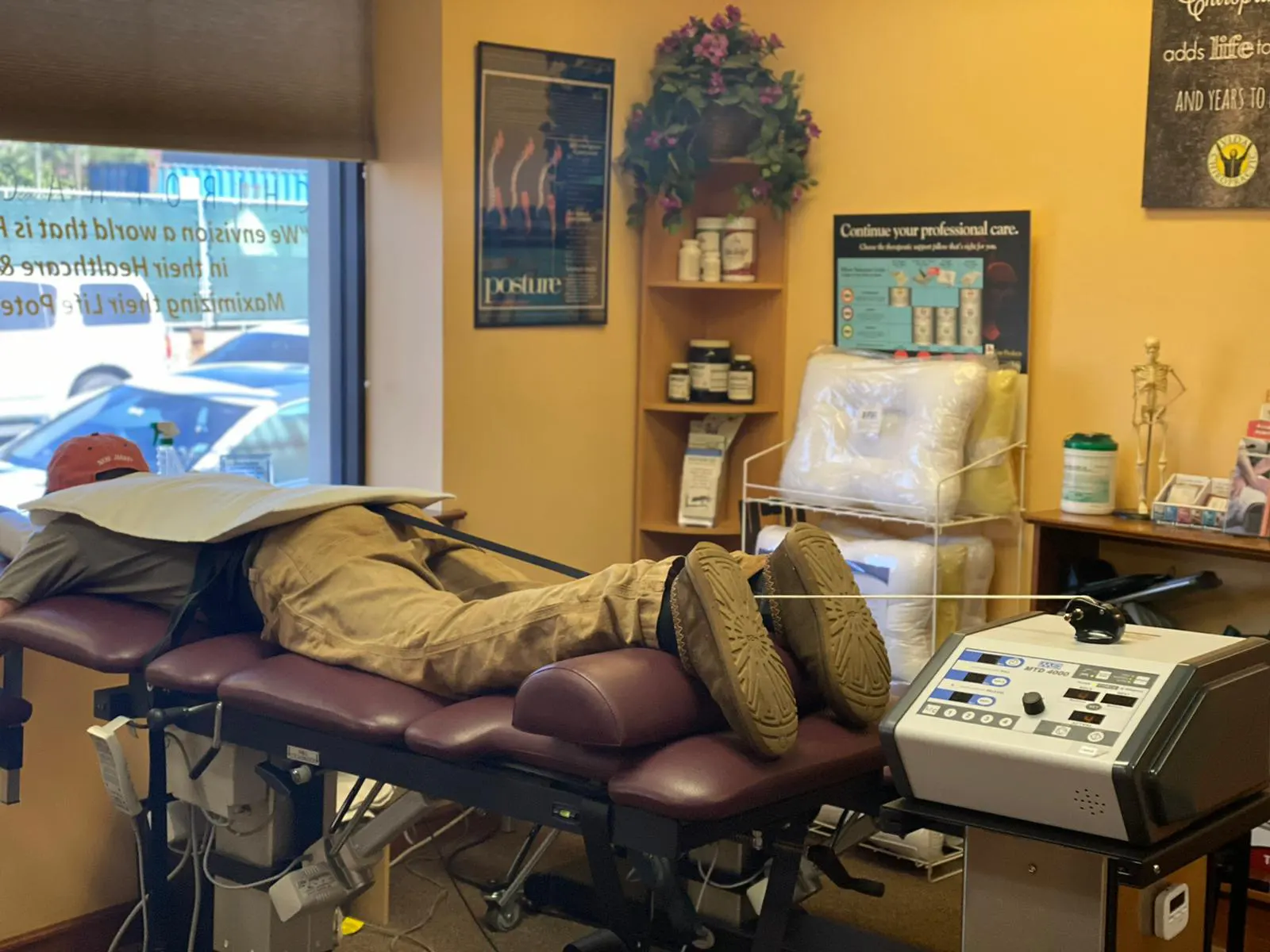
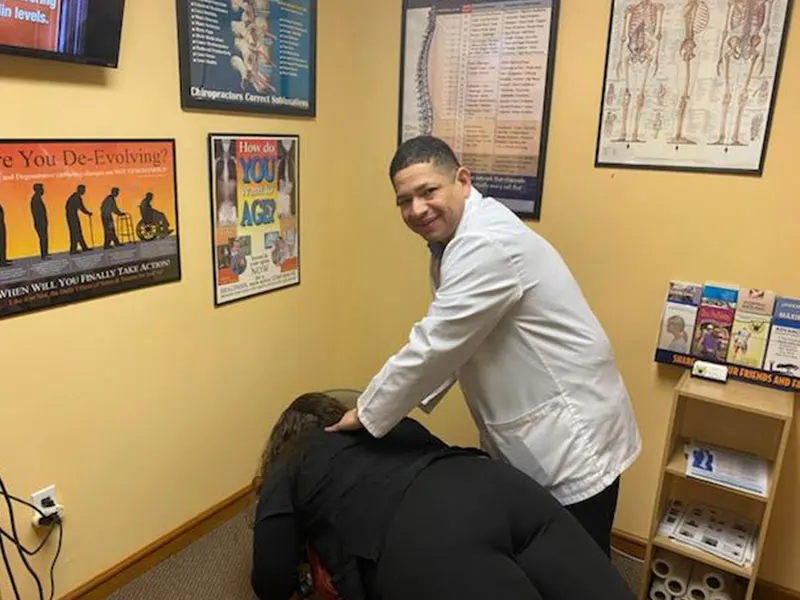
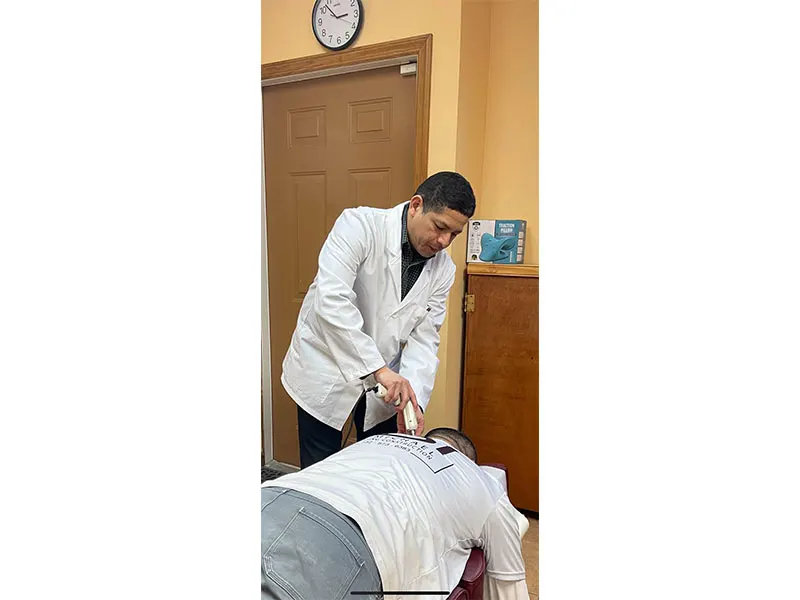
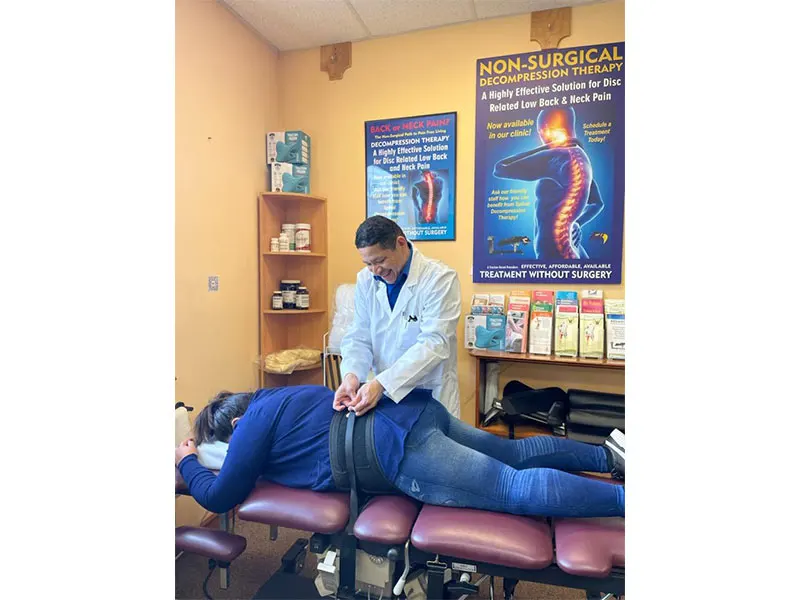
Although both treatments focus on spinal health, they use different approaches. Traditional chiropractic adjustments involve controlled movements applied to specific joints, while non-surgical spinal decompression uses a specialized motorized table to apply controlled cycles of stretching and relaxation to the spine.
The appropriate approach depends on the patient's condition, symptoms, and individual treatment needs.
Myth 2: Spinal Decompression Is Only for Severe Back Pain
Spinal decompression is often discussed in connection with conditions such as herniated discs, bulging discs, and certain types of chronic back pain. However, experiencing severe pain does not automatically make someone a suitable candidate.
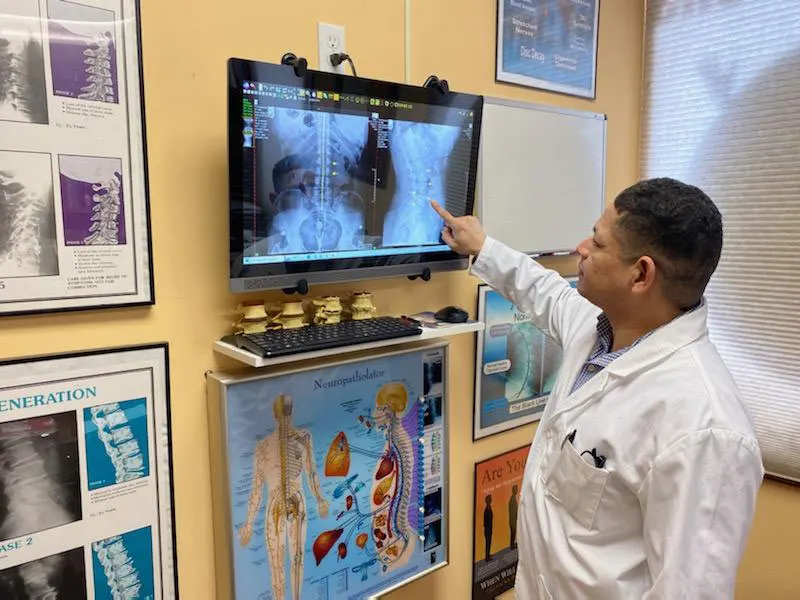
A professional evaluation is necessary to determine whether this treatment is appropriate based on the underlying condition and overall health.
Myth 3: Spinal Decompression Guarantees a Complete Recovery
No treatment can guarantee the same results for every patient. Although some individuals may experience improvements in pain and mobility, outcomes vary depending on the condition, its severity, and other individual factors.
Spinal decompression should be considered as part of an individualized care plan rather than a guaranteed solution for every spinal problem.
Myth 4: Spinal Decompression Is Painful
Non-surgical spinal decompression is generally designed to provide controlled, gradual stretching of the spine. Many patients tolerate the procedure comfortably, although individual experiences may differ.
Patients should communicate any discomfort during treatment so adjustments can be made when appropriate. A healthcare professional can also determine whether the procedure is suitable for someone experiencing significant pain or other symptoms.
Myth 5: One Session Is Enough to See Lasting Results
Spinal decompression treatment plans may involve multiple sessions depending on the patient's condition and response to care. There is no universal number of sessions that works for everyone.
Progress should be evaluated throughout treatment to determine whether the approach is providing meaningful improvements and whether modifications are needed.
Myth 6: Anyone Experiencing Back Pain Can Undergo Spinal Decompression
Not everyone is a suitable candidate. Certain medical conditions, including some spinal fractures, severe osteoporosis, spinal instability, and other health concerns, may make spinal decompression inappropriate.
A thorough evaluation and review of medical history are important before beginning treatment. This helps ensure that patients receive care suited to their individual needs.
Make Informed Decisions About Your Spinal Health
Understanding the facts about spinal decompression can help you make better decisions about managing back pain and other spinal concerns. While this treatment may be appropriate for certain patients, its suitability and potential benefits depend on individual circumstances.
At Vida Chiropractic, patients can explore chiropractic care and available treatment options based on their specific needs and health goals. If you are experiencing persistent back discomfort or have been diagnosed with a disc-related condition, a professional evaluation can help determine which approaches may be appropriate.
Contact Vida Chiropractic to learn more about spinal decompression therapy and take an informed step toward better spinal health.